Per- and polyfluoroalkyl substances (PFAS) are a large group of man-made chemicals used for decades in products designed to resist heat, water, oil, and stains. Since the 1930s, PFAS have been used in everything from industrial processes to consumer products like nonstick coatings, water-resistant fabrics, food packaging, and firefighting foams.
They are also used in certain advanced manufacturing applications, including microelectronics, where performance requirements can be demanding and alternatives may be limited. Over time, manufacturing, use, and disposal have released PFAS into the environment.
PFAS are often referred to as “forever chemicals” because their strong carbon-fluorine bonds make them extremely difficult to break down. As a result, PFAS can persist and accumulate over time, making them a significant challenge for water treatment and environmental cleanup. For many organizations, PFAS are a known part of operations and come with regulatory and liability obligations.



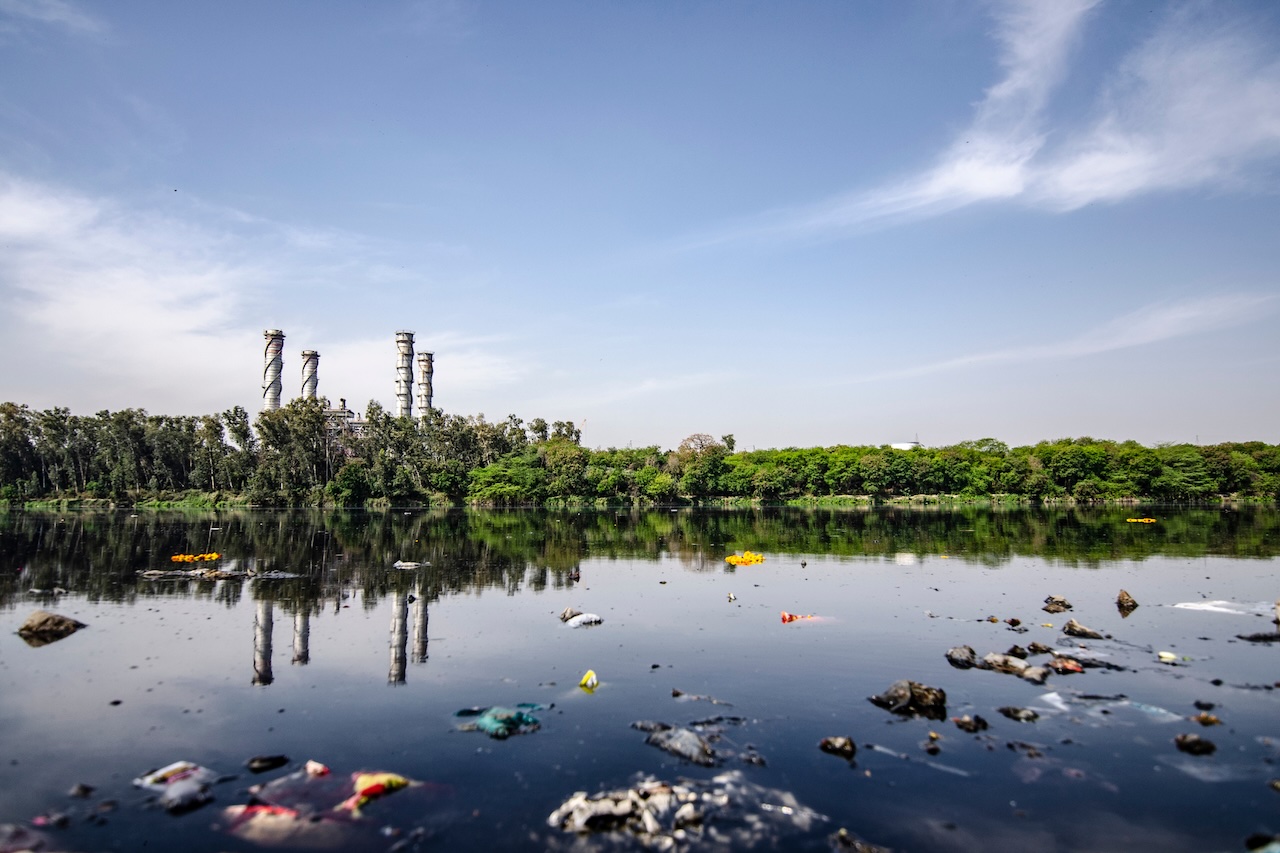
PFAS are widely detected in the environment, and studies show that nearly every American has traces in their blood. Over 200 million people may be drinking water containing these persistent chemicals. Exposure has been linked to several health concerns, including:
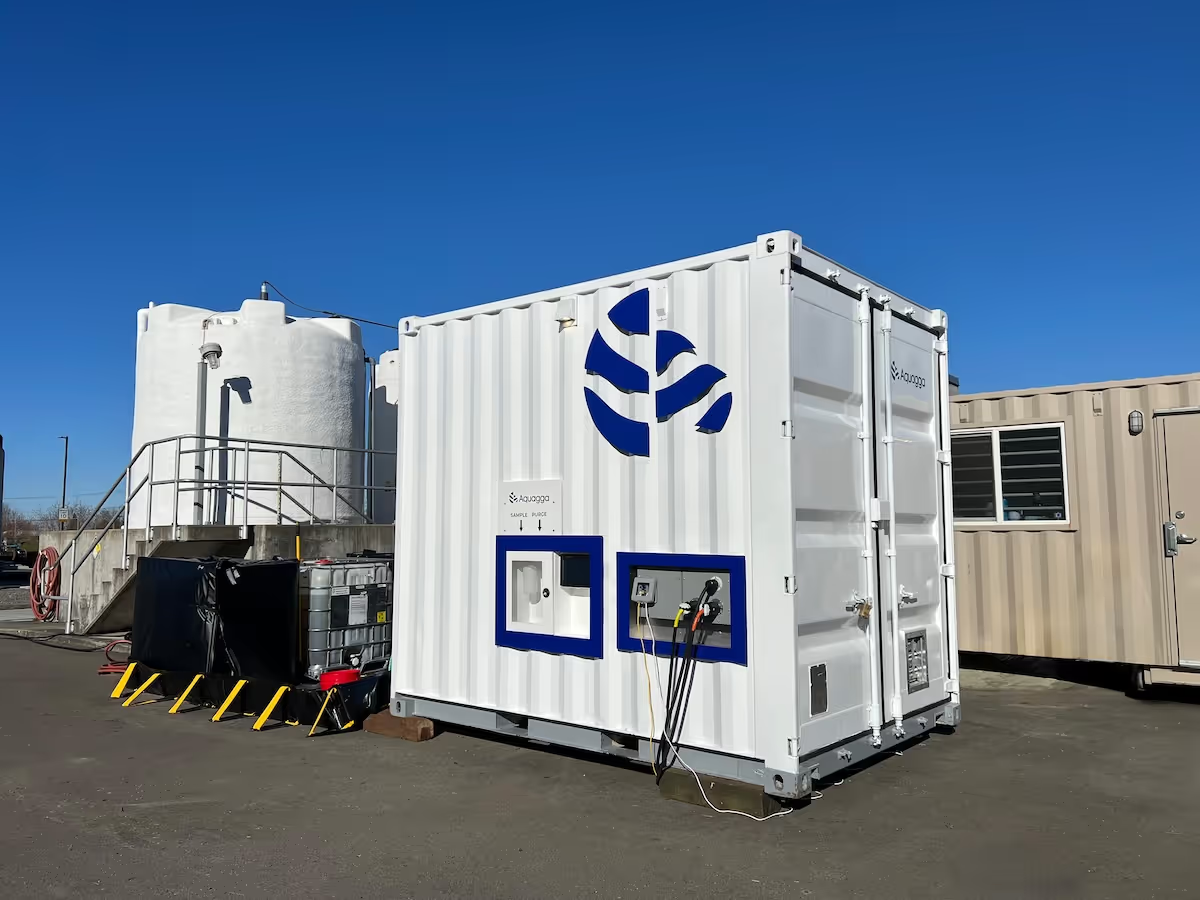
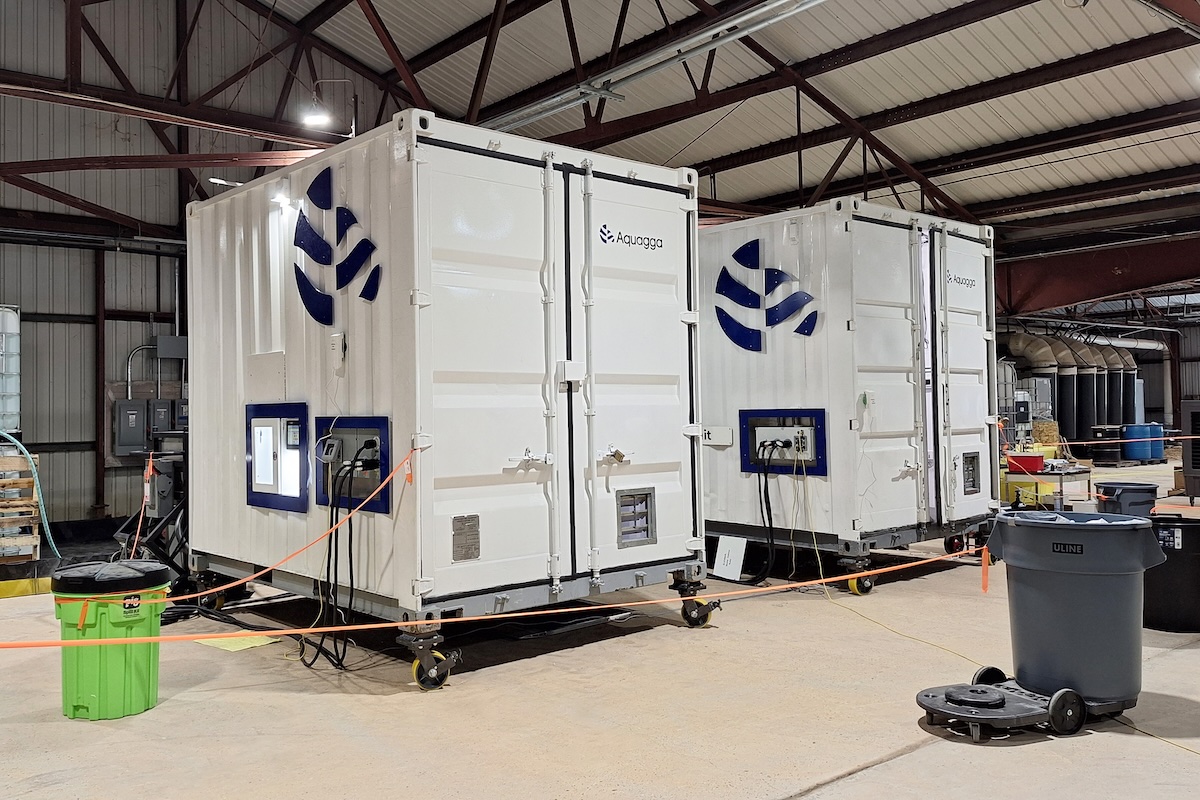
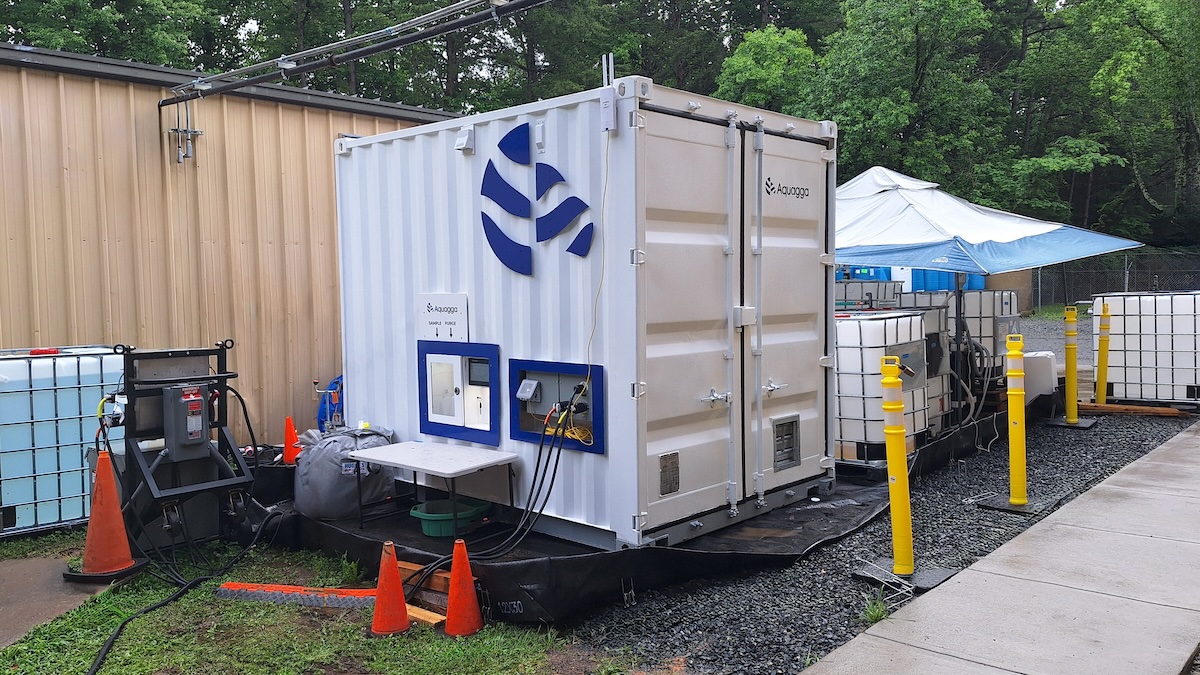
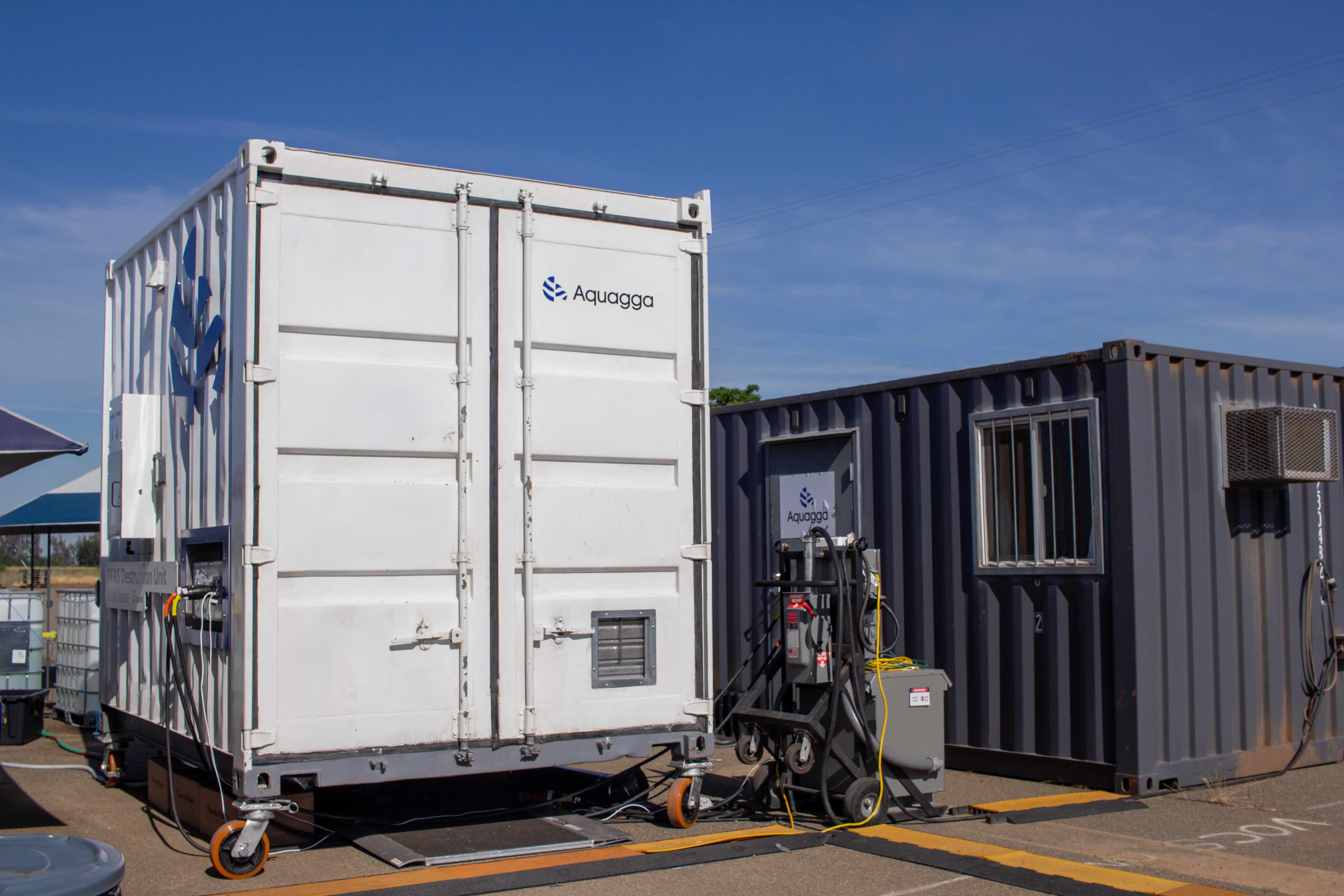
PFAS destruction is a critical step in addressing these persistent chemicals. Our HALT technology breaks the strong carbon-fluorine bonds in PFAS, preventing downstream impacts. By treating PFAS at the source and keeping them out of waterways, HALT helps protect ecosystems and communities. Learn more on Our Tech page.