
Aqueous Film-Forming Foam (AFFF)

Eliminating AFFF Stockpiles with Proven On-site Destruction

As fire response organizations across the country phase out legacy aqueous film-forming foam (AFFF), the need for safe, cost-effective, and compliant destruction methods has never been greater. Aquagga’s HALT technology provides both on-site and off-site PFAS destruction with >99.99% efficiency, minimizing long-term risk and simplifying the management of complex AFFF waste streams. 
Talk to an Expert

The Urgent Challenge of AFFF Stockpiles

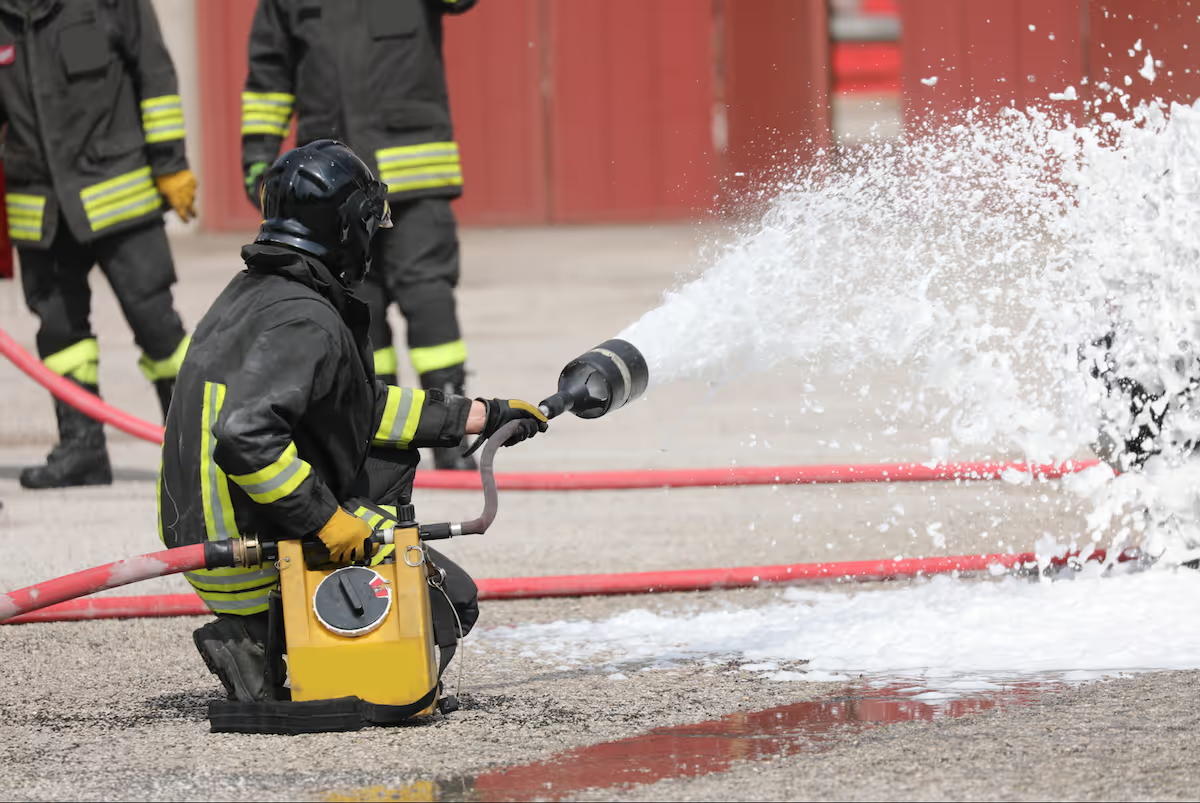
With an estimated 3 million gallons of AFFF stockpiled by the Department of Defense (DoD) and even more stored by civilian airports, decisions around disposal and treatment are critical. These foams, originally developed to suppress high-intensity fuel fires, contain some of the most persistent PFAS compounds ever produced. Over time, these substances have leached into soil, groundwater, and surface water, making responsible disposal a complex technical and regulatory issue.

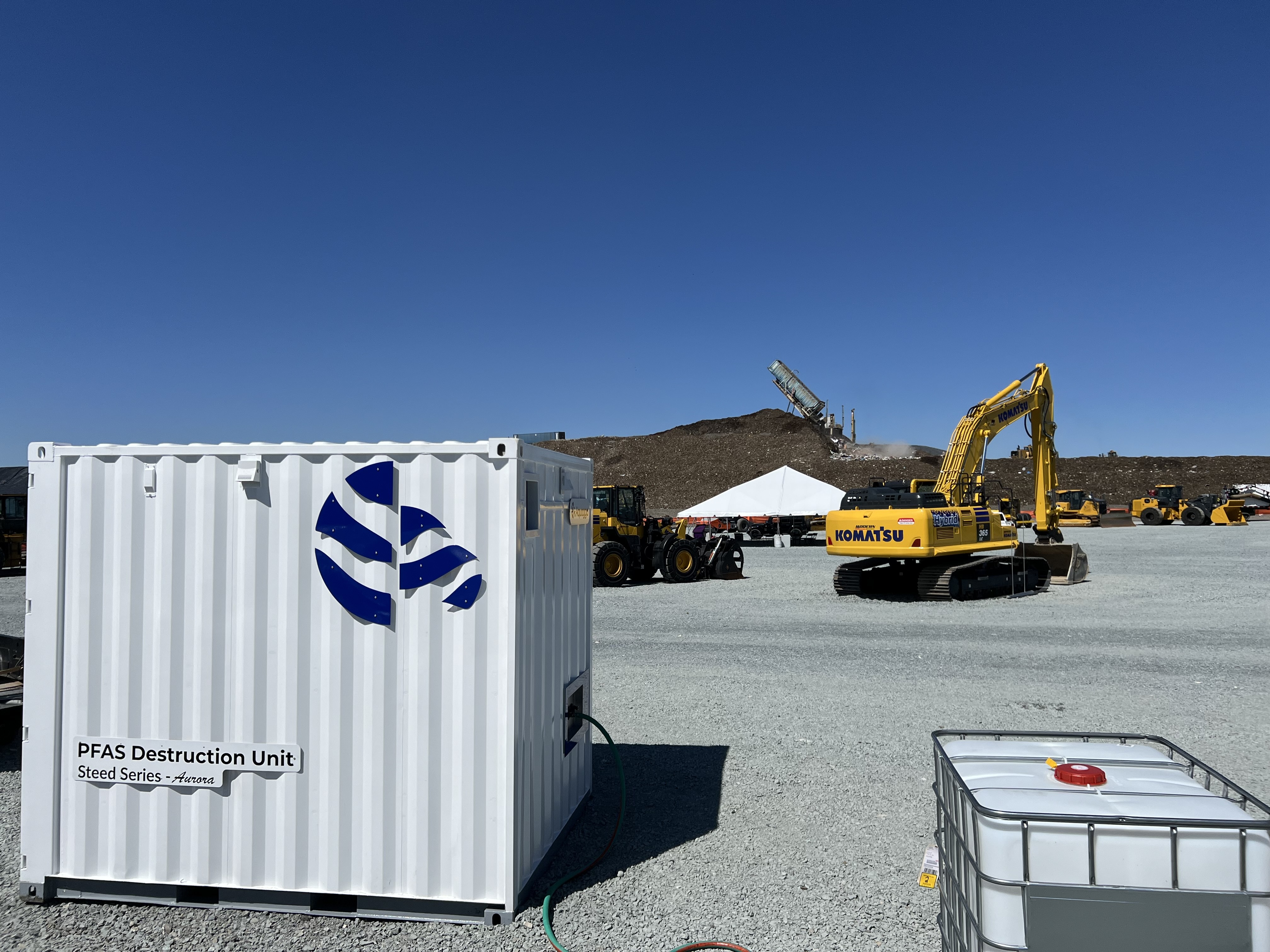
Aquagga works with site managers and federal agencies to address these challenges. Our HALT technology offers an on-site disposal solution for legacy AFFF stockpiles. HALT eliminates PFAS at the source, reducing the need for off-site shipment and minimizing risks associated with conventional disposal approaches. Incineration, landfilling, and deep-well injection face growing limitations, including rising and unpredictable costs, constrained capacity, and long-term environmental concerns. As regulations continue to tighten, these traditional methods may also introduce future liability.

Industries We Support

HALT is effective across a wide range of industrial wastewater sources, including:

Airports
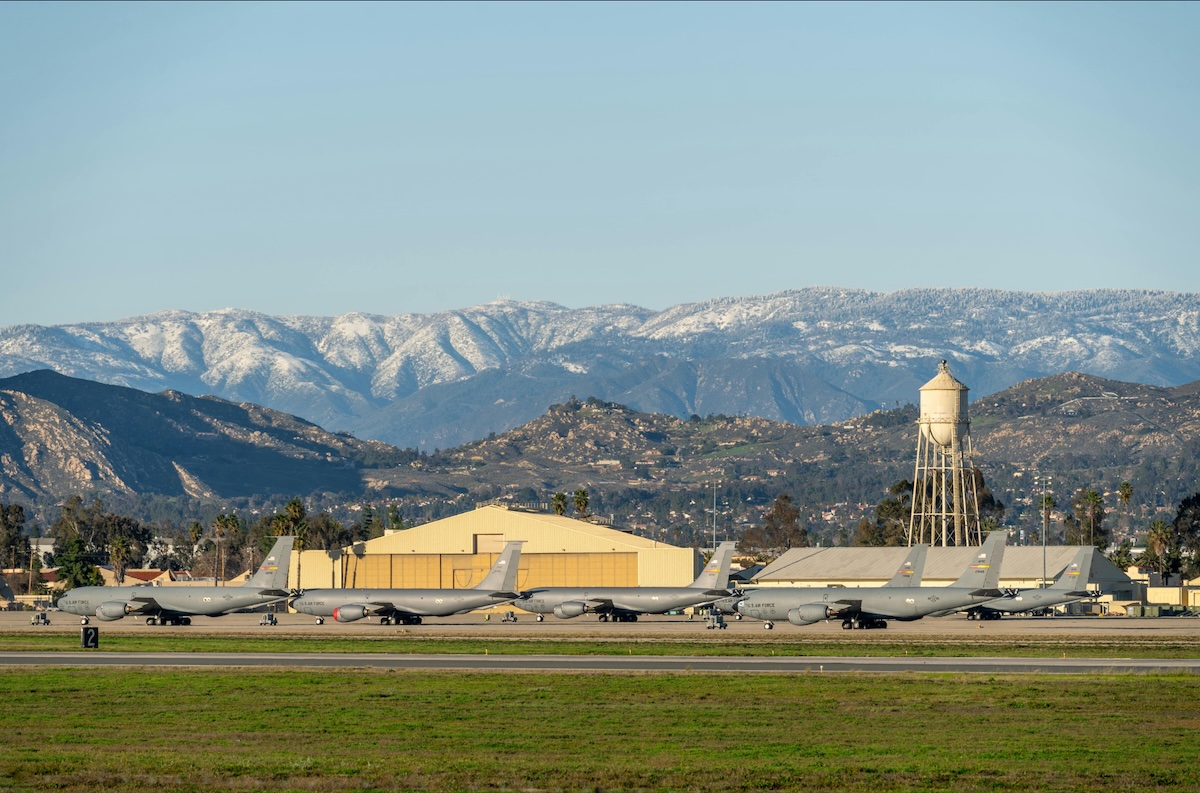
The U.S. has over 5,000 public-use airports and at least 519 commercial airports where PFAS exposure has been documented in national studies.
Military Installations
AFFF remains deployed at approximately 1,500 Department of Defense (DoD) facilities and aboard 6,800 mobile assets worldwide.
Fire Training Centers
More than 300 U.S. military bases have used aqueous film-forming foams (AFFF) during fire training and firefighting activities.
Oil & Gas Facilities
More than 1,200 oil and gas wells across the U.S. have used PFAS-containing substances. Additionally, 132 operating refineries rely on fire suppression systems where AFFF has historically played a key role.
Centralized Waste Disposal
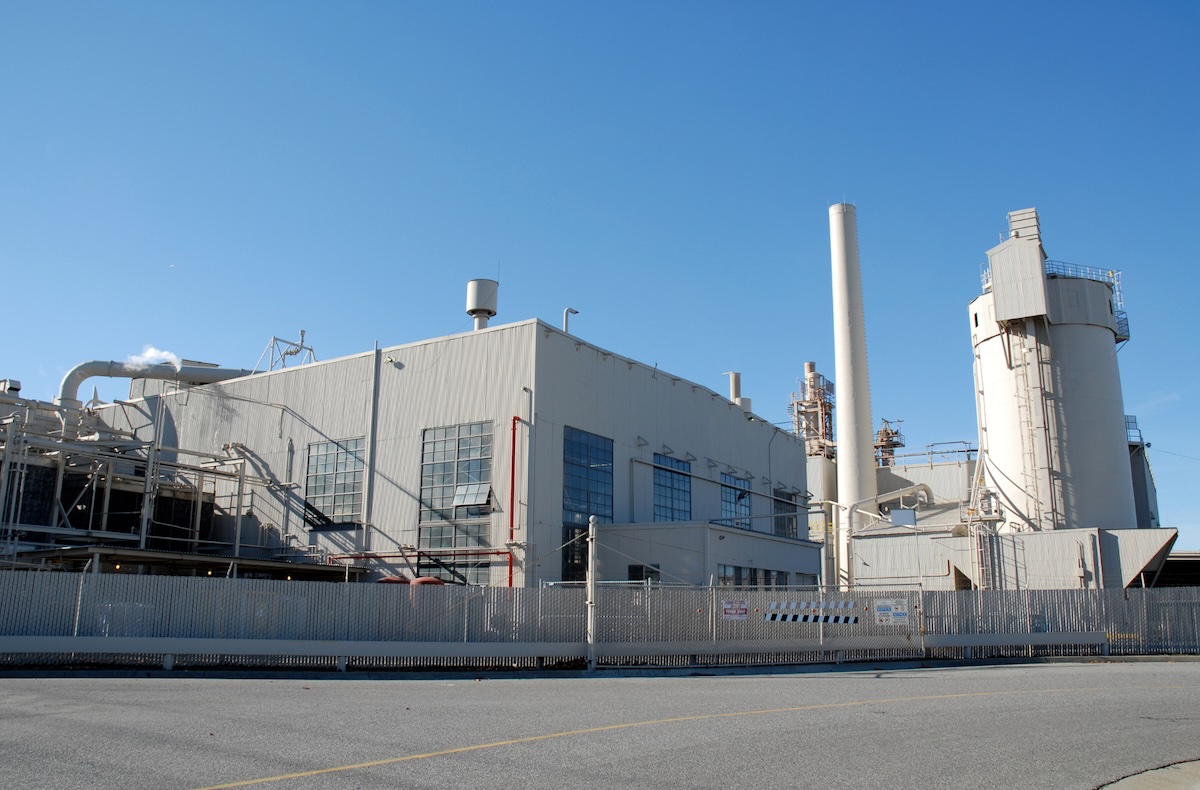
These facilities often serve independent customers bringing legacy AFFF stockpiles and rinse water for disposal. The global PFAS waste management services market was estimated at $1.95 billion in 2025 and is projected to reach $ 3.41 billion by 2034.

Benefits of Incorporating HALT Into Your Operations

⚖️
Reduces Long-Term Liability
Permanently destroys PFAS to minimize long-term risk, exposure to litigation, and future cleanup obligations.
♻️
Replaces Traditional Disposal Methods
Provides a safe, closed-loop alternative to incineration, landfilling, and solidification.
💰
Provides a Cost-Effective Alternative
Eliminates rising transport costs and regulatory uncertainty by destroying PFAS on-site and reducing reliance on expensive off-site options.
DoD-Validated Performance Criteria
Aligns with emerging DoD guidance while supporting federal and state disposal requirements.
🧯
Delivers Versatile PFAS Destruction
Treatment solution for multiple AFFF-related wastewater streams.

Our Treatment Process

HALT's compact, low footprint systems can be deployed on-site or at centralized waste facilities, offering flexible disposal solutions for legacy AFFF foam, rinse out water, and high-strength AFFF concentrate. All materials are managed with full manifest tracking and third-party analytical validation to ensure compliancy and transparency. The technology operates under subcritical conditions, which reduces precipitation risks that commonly cause system clogging in other treatment methods. HALT is specifically designed to handle complex waste streams with high salinity found in AFFF stockpiles.
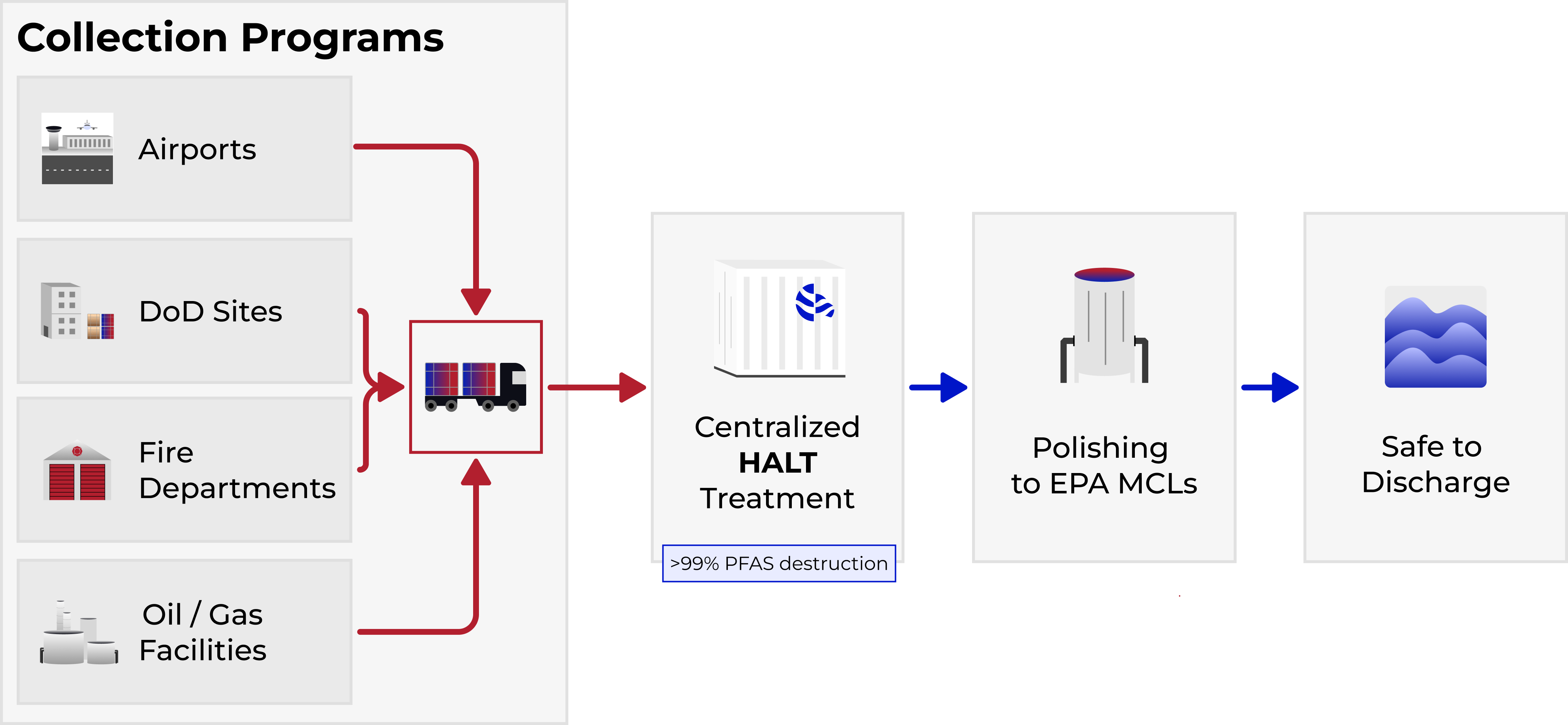
Treatment process for illustration purposes only. Our team can help develop a specific treatment approach for your unique PFAS challenges.
Visit Our Tech page to learn how HALT supports safe, on-site AFFF disposal.