This April, the U.S. Environmental Protection Agency (EPA) released an updated version of its Interim Guidance on the Destruction and Disposal of PFAS and PFAS-containing materials. This guidance offers an important signal for regulators, waste managers, industrial producers, site owners, and technology developers: PFAS destruction technologies should be evaluated through a clear, transparent, and material-specific framework, not by a single performance metric alone.
Section 5 of the updated guidance, “Emerging Technologies for PFAS Destruction and Disposal,” is especially important. EPA acknowledges that commonly used waste management approaches, including thermal treatment and landfilling, can vary in effectiveness and may not always be sufficient to limit releases of PFAS to the environment. The agency points to the need for continued technology development and better data to understand how different technologies perform on different PFAS-containing materials.
For Aquagga, this framework is notable because it reflects how we believe PFAS destruction technologies should be evaluated: through rigorous data produced by applying robust analytical methods on real-world waste streams, providing a clear understanding of the fate of PFAS across the entire treatment process.
EPA’s framework organizes technology evaluation around several categories: technology readiness, material characteristics, analytical methods, destruction or disposal efficacy, community considerations, and regulatory requirements.
This matters because PFAS-containing materials are not interchangeable. A technology tested on an AFFF solution may not perform the same way on industrial wastewater. EPA’s framework encourages decision makers to evaluate a technology in the context of the specific material being treated, including the PFAS present, their concentrations, and other constituents that may influence performance. That is a useful lens for the PFAS destruction industry. It moves the conversation away from broad claims and toward application-specific evidence.
One of the strongest messages in Section 5 is that no single metric is enough to evaluate PFAS destruction. EPA notes that technology readiness levels, destruction and removal efficiencies for target compounds, fluorine mass balances, and other metrics can be useful, but when used individually, they may fail to capture comprehensive system performance. For example, targeted analysis may only measure a fraction of the PFAS present in a sample, and a technology readiness level may not reflect readiness for the specific PFAS material or application being considered.
This is an important point. A reported destruction efficiency for one or two target PFAS does not necessarily answer the full set of questions that site owners, regulators, and communities need answered. EPA specifically calls for evaluation of process inputs and outputs, potential products of incomplete destruction, fluorine mass balance, non-PFAS constituents, and whether PFAS may be released during or after treatment.
Demonstrating effective PFAS destruction performance requires multiple lines of evidence, including targeted PFAS analysis, broader fluorine tracking, and characterization of liquid, solid, and gas-phase outputs.
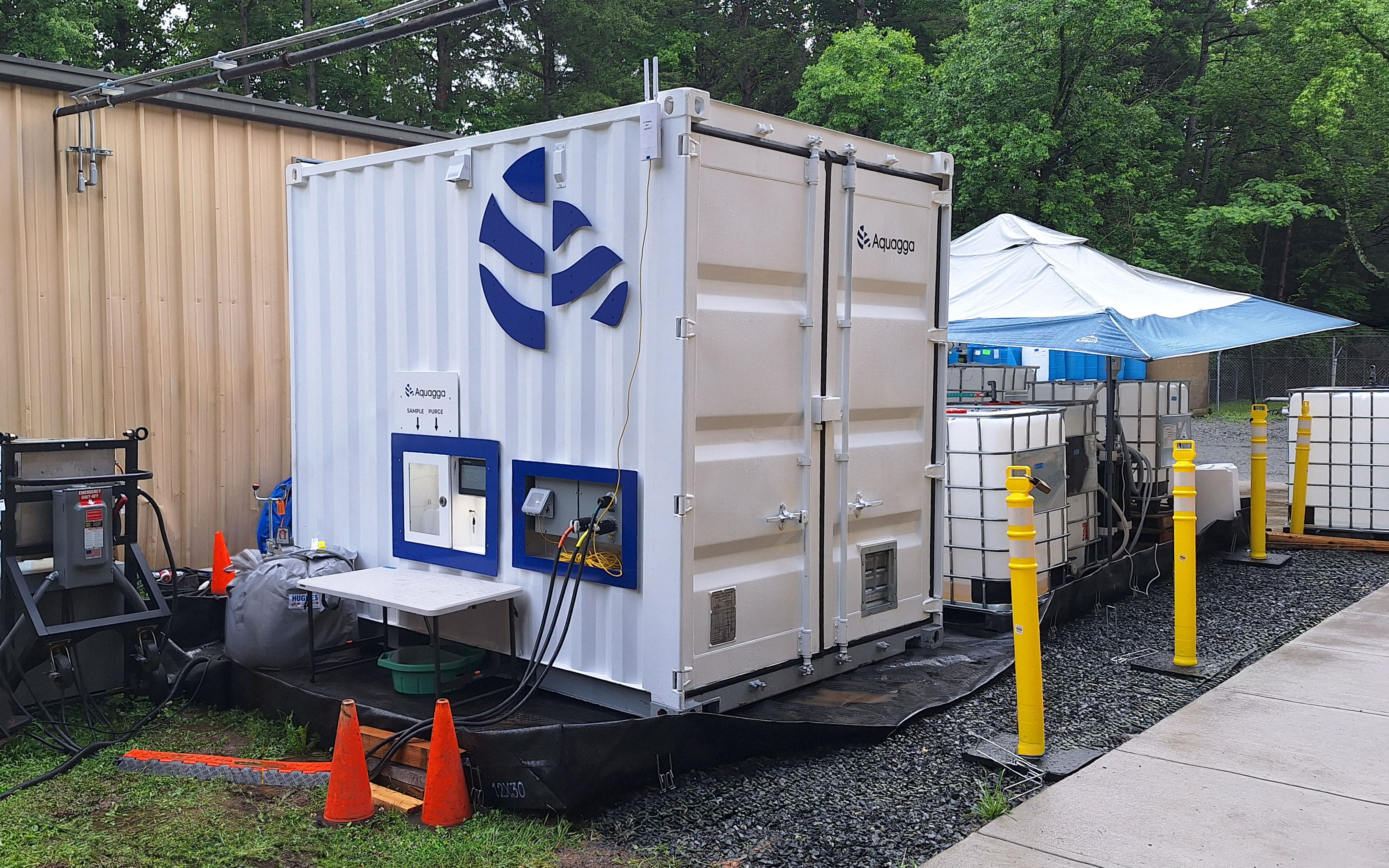
EPA identifies hydrothermal alkaline treatment (HALT), as one of several emerging technologies at various stages of development and implementation. Viewed through EPA’s Framework for Evaluating Destruction Technologies for PFAS-Containing Materials, our team has outlined how HALT fits across evaluation areas, including technology readiness, material compatibility, analytical methods, destruction efficacy, community considerations, and regulatory requirements. Click the banner below to access a downloadable copy.
For organizations evaluating PFAS destruction technologies, EPA’s Section 5 framework provides a useful checklist. The most important questions are not just “Does it destroy PFAS?” but:
These are the questions that separate early-stage claims from practical, defensible PFAS destruction.
EPA’s updated guidance provides a clear path for evaluating emerging PFAS destruction technologies. That is a positive development for the industry, regulators, communities, and technology providers working to move beyond conventional disposal methods and toward verified destruction.
For Aquagga, the framework reinforces the importance of what has guided HALT development from the beginning: practical deployment, matrix-specific testing, peer-reviewed data, and analytical confirmation that PFAS are being destroyed rather than transferred to another wastestream.
As the PFAS destruction field continues to mature, the strongest technologies will be those that can answer EPA’s questions with clear, repeatable evidence. That is the standard the market needs, and it is the standard the HALT technology meets today.